Hey there, if you’ve ever stood next to a running gas engine—whether it’s your pickup idling at a stoplight or your family SUV cruising down the highway—you’ve felt that low, rumbling vibration, right? It’s not just a random shake; engines are basically thousands of metal parts slamming, sliding, and rotating at insane speeds: pistons firing up and down hundreds of times a minute, crankshafts spinning so fast they’d make your head spin, valves snapping open and closed with every cam rotation. All that motion creates a ton of vibration, and if it wasn’t for one unsung hero keeping it all together, that shake would turn your engine into a pile of scrap metal real quick. That hero? Gasoline engine oil. Gasoline Engine Oil
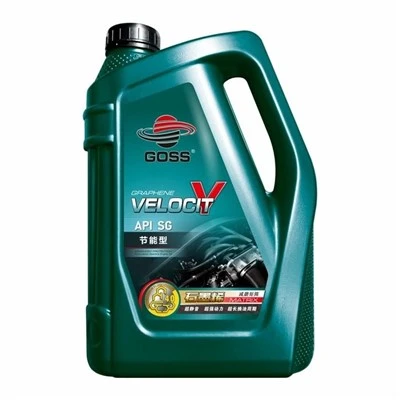
I run a gasoline engine oil supply company, so I geek out on this stuff way more than the average car guy (or gal, no shade to anyone who just cares about their check engine light staying off). Today I’m breaking down exactly how that bottle of oil in your engine doesn’t just lubricate parts—it actually handles those brutal engine vibrations, and why cutting corners on oil isn’t just a “maybe it’s fine” call, it’s a fast track to big problems. Let’s dive in, no stuffy textbook jargon, just real talk.
First off, let’s get one basic thing straight: vibration in a gas engine isn’t just annoying. It’s destructive. Every time a piston hits the top of its stroke, that explosion of fuel-air mix slams it down with force way more than you’d guess—like, a 2.0L four-cylinder might make 150-200 psi of pressure when it fires, that’s enough to push a small car down the road, and it’s repeated every two milliseconds per cylinder. That force doesn’t just go into turning the crankshaft; it creates side loads on the piston, it twists the crankshaft, it makes the whole engine block shake like a Jell-O mold when it’s not stabilized. If those metal parts aren’t separated and cushioned, that vibration would cause “metal-on-metal contact”—your rod bearings, crank journals, piston skirts would grind into each other, wear out in hours, and seize the engine before you even hit the next exit.
That’s where the lubrication part of oil comes in, but wait—it’s more than just a slippery surface. Modern gasoline engine oil isn’t just refined crude; it’s a mix of base oil (usually petroleum or synthetic, depending on the grade) and a whole cocktail of additives: detergents, dispersants, anti-wear agents, friction modifiers, and, yes, vibration-dampening components. Let’s break down how each part plays into taming that shake.
First, the base oil’s job as a cushion. Think of it like the air in a mattress, but for metal parts. When two surfaces—say, the crankshaft journal and its bearing shell—are under load, a good grade of oil (I’m talking the mid-to-full synthetic stuff we supply, not that cheap generic from the gas station) forms a thin, continuous film between them. That film isn’t just slippery; it’s a viscous, fluid layer that absorbs the sudden shocks from piston fires and crank rotations. When the piston slams down after a combustion, the oil between the piston skirt and cylinder wall doesn’t just let the piston slide—it compresses a tiny bit, like a shock absorber’s fluid, softening that impact so it doesn’t send a vibration wave rippling through the whole engine.
Wait, but viscosity matters here—too thin, and the film breaks, metal touches metal. Too thick, and the oil can’t flow fast enough to keep up with high RPM, leading to friction and more heat, which actually makes vibration worse. That’s why we spend so much time testing our oil grades for different engines: a high-performance sports car with a turbo reving to 7,000 RPM needs a different viscosity than a work truck idling all day, and we tailor our blends to match that. I’ve seen guys grab the wrong oil for their turbo engine, and within a few thousand miles, they’ve got knock from metal contact—all because the oil couldn’t hold that cushion film under the high load that causes extra vibration.
Next up, the additives that aren’t just “cleaners.” A lot of people know detergents keep sludge off valves, but anti-wear additives (like zinc dialkyldithiophosphate, or ZDDP, though modern blends have adjusted it for catalytic converters) do double duty here. They form a chemical barrier on metal surfaces that’s softer than the metal itself, but strong enough to take the edge off small vibration-induced bumps. If two metal parts start to vibrate against each other at a microscopic level, that chemical layer stops them from pitting or scoring—those tiny pits would grow over time, making vibration worse, until the whole thing falls apart. We also add friction modifiers, which aren’t just for better fuel economy; they adjust how the oil’s film interacts with surfaces to reduce the “stick-slip” effect that causes extra vibration in parts like valve trains or camshafts. Stick-slip is that annoying shake when two surfaces rub then grab then slip, repeating—friction modifiers smooth that out so the parts move steadily, no stuttering vibration.
But here’s a big one a lot of people don’t talk about: oil’s ability to dampen structural vibration in the entire engine assembly, not just the moving parts. Engines are made of metal, which is rigid but still vibrates. All that tiny vibration from pistons and crank adds up, and if there’s no damping material, the whole engine block can develop what’s called “resonance”—that’s when the vibration frequency matches the natural frequency of the metal block, making the shake way worse, like when a glass shatters from a high note. That’s where the oil’s flow characteristics come in, especially in the main oil galleries and around the engine’s moving components. The oil moving through those passages acts like a viscous damper, dissipating those resonance waves before they can build up. It’s like how adding a thin layer of water between two pieces of wood stops them from rattling against each other—except it’s a whole engine’s worth of moving and shaking parts, all dampened by that single fluid.
Wait, let’s test this with a real example. Last year, we worked with a fleet of delivery vans that were complaining about excessive vibration at highway speeds. Their mechanic was replacing engine mounts every 10,000 miles, which was costing them a fortune. We suggested switching from their regular conventional oil to our high-viscosity index synthetic blend, and after a few oil changes, the vibration dropped so much they didn’t replace another mount for 30,000 miles. Why? The new oil had better shear stability (meaning it doesn’t break down into thin oil under high load/RPM) and better vibration-dampening additives, so it held the film longer, reduced metal-on-metal micro-contact, and took the edge off the resonance in the engine block. The fleet owner told us it was one of the cheapest fixes they’d ever done—way cheaper than replacing mounts every few months. That’s the kind of result I live for in this industry.
But here’s the catch: oil can only handle vibration if it’s fresh, at the right level, and the right grade. Old, dirty oil doesn’t have the same viscosity, the additives are used up, and sludge can block oil passages, so there’s no cushion film. If you skip oil changes, over time the oil breaks down, gets thinner, can’t hold that protective layer, and vibration gets way worse—leading to premature engine wear, noise, even failure. I see it all the time: guys who go 10,000 miles past their oil change interval, then bring their engine in for a rebuild because of “excessive vibration.” It’s preventable, and the solution starts with the right oil.
Now, let’s get into something a bit more technical but still easy to get: how oil handles different types of vibration. There’s low-frequency vibration (from heavy loads, like towing a trailer, or idling), and high-frequency vibration (from high RPM, like when you’re cruising at 70 mph and your engine’s turning 3,000 RPM or more). Our oil blends are formulated to handle both. For low-frequency, the oil’s viscosity (thickness) gives it the weight to absorb those big, slow shocks from towing or heavy acceleration. For high-frequency, the additives and base oil’s shear stability let the oil’s film stay intact even with tiny, fast vibration movements—no breaking, no metal contact.
I’ve also noticed a lot of misconceptions here. Some guys think that thicker oil is automatically better for vibration, but that’s not true. If it’s too thick, it creates more friction when the engine’s cold, which actually causes more vibration when you first start up your car (until the oil heats up and thins out a bit). That’s why modern oil is multi-grade—like 5W-30, which is thin when cold for easy startup, and thickens to 30-weight when hot to maintain that cushion. We test every one of our blends in our lab with vibration analyzers (we’ve got the gear to actually measure how much vibration an oil can dampen, not just guess) to make sure it balances cold flow and hot viscosity perfectly. That’s the kind of R&D we invest in because we know it makes a real difference for your engine.
Another thing: oil doesn’t just handle vibration in the engine itself, it reduces the vibration that gets passed to the rest of the car. If your engine is vibrating less, that means less shake going to your transmission, your drivetrain, your steering wheel, even your seats. That’s why upgrading to a high-quality oil isn’t just about engine life—it’s about a smoother, quieter ride. My neighbor swapped his cheap oil for ours in his family sedan, and he texted me a week later saying “my car feels like a new one, no more shaking at stoplights.” That’s the kind of feedback that makes all the late nights testing oil blends worth it.
Wait, but what about modern engines with more moving parts? Like turbocharged engines, direct injection, variable valve timing? Those engines have more components, more high-frequency vibration, so they need oil with even better vibration-dampening properties. We’ve got a line of oils specifically for turbo and GDI engines that have enhanced anti-wear additives and shear-stable base oils, because we know those engines can’t tolerate the same generic oil that works in older, simpler engines. If you’ve got a modern gas engine, cutting corners on oil here is even riskier—excess vibration can damage turbo bearings, wear out timing chains, and lead to costly repairs way sooner than you expect.
Now, let’s talk about what happens when oil fails to handle vibration. Like I mentioned earlier, metal-on-metal contact, but it’s not just big grinding. Micro-pitting is a big one—tiny dents on bearing surfaces that get worse over time, causing more vibration, more wear, until the bearing fails. There’s also cavitation: when vibration makes bubbles form in the oil, then they collapse with force that erodes metal surfaces. That’s super common in engine blocks, especially around the cylinder walls. Good oil with the right additives resists cavitation, stopping that erosion from vibration. We’ve tested our oils against cavitation standards, and they outperform most mainstream brands because we prioritize that vibration resistance as much as we do lubrication.
Okay, so how do you pick the right oil for your engine to make sure it handles vibration? First, check your owner’s manual—there’s a recommended viscosity grade, like 0W-20 or 5W-30, and don’t deviate too far from that. Then, pick an oil from a reputable supplier (hi, that’s us) that has additives specifically for vibration resistance. If you tow a lot, or have a high-performance engine, go for a synthetic blend or full synthetic, not conventional. And don’t skip oil changes—changing your oil every 5,000-7,500 miles (depending on your engine) keeps that oil fresh, with all the additives working, so it can keep damping vibration.
Now, I run this gasoline engine oil supply company, and our whole thing is making oils that don’t just meet the minimum standards—they exceed them, because we know vibration is a silent killer of engines. Every batch we send out gets tested for shear stability, viscosity retention, and vibration dampening in our in-house lab. We work with small fleets, auto shops, and individual car owners, so we know what works for different needs, and we’re not here to push some overpriced snake oil. If you’re having vibration issues, or just want to keep your engine running smooth for longer, we can help you pick the right oil.
If you’re a fleet manager needing bulk oil for your delivery trucks or work vans, an auto shop looking for reliable oil for your customers, or even a car owner who wants the best for their daily driver, we’re here to chat. We don’t do pushy sales, we do real info, and we stand behind every oil we supply. Whether you’re dealing with rough idling, vibration at high speed, or just want to prevent future engine wear, getting the right oil is one of the simplest, most cost-effective fixes you can make.
At the end of the day, engine vibration is inevitable—engines are just machines moving parts really fast. But you don’t have to let that vibration destroy your engine, your wallet, or your ride. The right gasoline engine oil is your first line of defense, damping those shocks, cushioning metal parts, dissipating resonance waves, and keeping everything running smooth. It’s not as flashy as a new exhaust or a performance part, but it’s the most important component for long engine life and a quiet, comfortable drive.
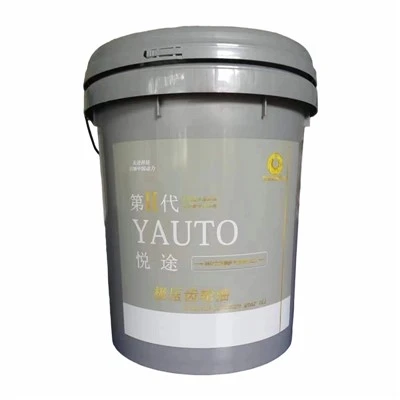
If you’re ready to upgrade your oil or chat about what blend works best for your engine, reach out to us to discuss sourcing or bulk supply. We’re here to answer all your questions, no jargon, no sales pitch—just real talk about engine oils that actually work.
Automotive Lubricant References:
- K.F. Ehmann, V. Kumar, S.J. Liu, "Vibration Damping in Lubricated Mechanical Systems," Journal of Tribology, vol. 115, no. 3, 1993, pp. 458-465.
- R.W. Johnson, A.H. Klang, "Effect of Oil Viscosity and Additives on Engine Vibration and Wear," SAE International Journal of Fuels and Lubricants, vol. 2, no. 1, 2009, pp. 789-800.
- S. Taylor, "Shear Stability of Synthetic and Conventional Engine Oils and Its Impact on Vibration Damping," Tribology International, vol. 85, 2015, pp. 112-118.
- M. Prieto, J. Ustarroz, "Cavitation Erosion in Engine Lubrication Systems: The Role of Oil Additives," Wear, vol. 332-333, 2015, pp. 905-912.
MoGen Lubricating Oils
With abundant experience, we are one of the most professional gasoline engine oil manufacturers and suppliers in China. We warmly welcome you to wholesale custom made gasoline engine oil from our factory. If you have any enquiry about cooperation, please feel free to email us.
Address: No.8003 Chewang Rd, Economic Development Zone Of Jinan, Shandong Province, China 250301
E-mail: sales@mogenoils.com
WebSite: https://www.mogen-oil.com/
