Storing a 100mm angle grinder properly is crucial not only for maintaining its performance but also for ensuring user safety. As a supplier of 100mm angle grinders, I’ve witnessed firsthand the impact of improper storage on these powerful tools. In this blog, I’ll share the best practices for storing 100mm angle grinders, drawing on my experience in the industry. 100mm Angle Grinder
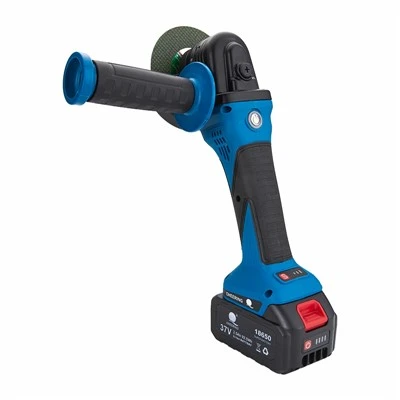
Understanding the 100mm Angle Grinder
Before we delve into storage methods, it’s essential to understand the components of a 100mm angle grinder. These tools typically consist of a motor, a grinding wheel, a handle, and various electrical or mechanical parts. The grinding wheel is made of abrasive materials and rotates at high speeds to cut, grind, or polish a variety of materials. The motor provides the power to drive the wheel, while the handle allows the user to grip and control the tool.
Given its complex structure and the nature of its components, a 100mm angle grinder is susceptible to damage from environmental factors such as moisture, dust, and physical impact. Therefore, proper storage is key to keeping it in optimal condition.
Choosing the Right Storage Location
The first step in storing a 100mm angle grinder is to select an appropriate location. The ideal storage place should be dry, clean, and well – ventilated.
-
Dry Environment: Moisture is the enemy of electrical and mechanical components. If the angle grinder is exposed to damp conditions, it can lead to rust formation on metal parts, such as the motor housing and the spindle. Rust can not only affect the appearance of the tool but also cause mechanical failures over time. For example, a rusty spindle may not rotate smoothly, which can put extra strain on the motor and reduce the tool’s lifespan. To ensure a dry environment, avoid storing the angle grinder in basements or areas prone to flooding. If necessary, use a dehumidifier in the storage area.
-
Clean Surroundings: Dust and debris can accumulate in the angle grinder’s motor and other internal parts, potentially causing overheating and premature wear. A dusty environment can also clog the ventilation holes of the motor, reducing its cooling efficiency. For instance, if the air intake of the motor is blocked by dust, the motor may overheat, leading to burnout. It is advisable to store the angle grinder in a clean cabinet or toolbox where it can be protected from airborne dust.
-
Good Ventilation: Adequate ventilation is important to prevent the build – up of heat and moisture. Even when the angle grinder is not in use, some internal components may retain a small amount of heat. Poor ventilation can trap this heat, causing damage to sensitive parts. Additionally, if there is any residual moisture in the storage area, good ventilation can help it evaporate. A well – ventilated storage space can be a room with windows or a storage cabinet with ventilation slots.
Protecting the Grinding Wheel
The grinding wheel is one of the most critical components of a 100mm angle grinder. It is also quite fragile and requires special attention during storage.
-
Separate Storage: It is best to store the grinding wheel separately from the angle grinder. This helps prevent accidental damage to the wheel, which could occur if it is knocked against other objects or the grinder itself. You can use a dedicated wheel storage case or a cardboard box with dividers to keep the wheels safe. Make sure to label the storage container with the type and size of the grinding wheel for easy identification.
-
Proper Orientation: When storing the grinding wheel, place it in a horizontal position. Storing it vertically can cause the wheel to warp over time due to its own weight. A warped wheel can lead to uneven cutting or grinding, and it may also pose a safety risk during operation.
-
Inspection Before Storage: Before putting the grinding wheel away, inspect it for any signs of damage, such as cracks or chips. A damaged wheel should never be used, and it should be properly disposed of according to local regulations.
Securing the Angle Grinder Itself
Once you’ve chosen the right storage location and dealt with the grinding wheel, it’s time to focus on the angle grinder.
-
Use a Toolbox or Case: A sturdy toolbox or a dedicated angle grinder case provides excellent protection against physical impact. It can prevent the grinder from being bumped or dropped, which could damage its internal components. Look for a case with foam inserts that can be customized to fit the shape of the angle grinder, providing a snug and secure fit.
-
Disconnect the Power Source: If your 100mm angle grinder is electrically powered, always disconnect it from the power source before storage. This not only prevents accidental startup but also reduces the risk of electrical shock and short – circuits. If it is a battery – powered model, remove the battery to prevent self – discharge and potential damage to the battery over time.
-
Clean the Grinder: Before storing the angle grinder, clean it thoroughly. Use a soft brush to remove any dust, debris, or metal filings from the motor housing, the handle, and other parts. You can also use a mild solvent to clean stubborn dirt, but make sure to let the grinder dry completely before storage. A clean grinder is less likely to experience mechanical problems and will last longer.
Regular Maintenance During Storage
Storing the angle grinder is not a one – time task. Regular maintenance is required to keep it in good condition.
-
Periodic Inspection: Set a schedule to inspect the angle grinder while it is in storage. Check for signs of rust, damage, or any other issues. If you notice any problems, address them promptly. For example, if you find a small amount of rust, you can use a rust remover to treat it and then apply a light coat of lubricant to prevent further rusting.
-
Lubrication: Some parts of the angle grinder, such as the spindle and bearings, may need lubrication during storage. Refer to the manufacturer’s instructions for the recommended lubricant and the proper lubrication intervals. Lubrication helps reduce friction and wear, ensuring smooth operation when the grinder is used again.
-
Battery Maintenance (if applicable): If your angle grinder uses a battery, follow the manufacturer’s guidelines for battery maintenance during storage. This may include charging the battery to a certain level and storing it at the right temperature. A well – maintained battery will have a longer lifespan and provide better performance.
Conclusion
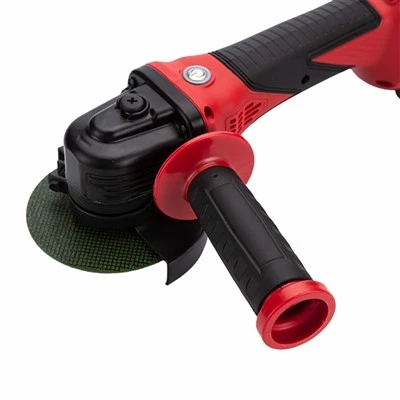
Proper storage of a 100mm angle grinder is a multi – step process that involves choosing the right location, protecting the grinding wheel, securing the grinder itself, and performing regular maintenance. By following these best practices, you can ensure that your angle grinder remains in top condition, ready for use whenever you need it.
Accessories As a supplier of 100mm angle grinders, I understand the importance of providing high – quality products and also helping our customers take good care of them. If you’re interested in purchasing our 100mm angle grinders or have any questions about their storage or maintenance, please feel free to contact us for further discussions. We are committed to offering the best solutions for your grinding needs.
References
- Manufacturer’s manuals for 100mm angle grinders.
- Industry best practices for power tool storage and maintenance.
- Research on the effects of environmental factors on power tool performance.
Zhejiang Cheering Sewing Machine Co., Ltd.
With abundant experience, we are one of the most professional 100mm angle grinder manufacturers and suppliers in China. Please feel free to wholesale advanced 100mm angle grinder for sale here from our factory. We also accept customized orders.
Address: No.69 Heping Road, Lishui, Zhejiang, China
E-mail: gxjlq@126.com
WebSite: https://www.cheering-machinery.com/
