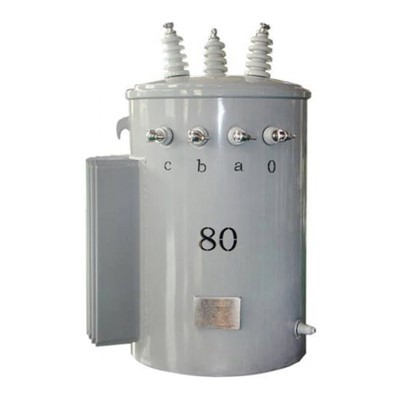
In the realm of electrical power systems, oil-immersed transformers play a pivotal role in ensuring the efficient and reliable transmission and distribution of electricity. However, these critical assets are often vulnerable to short-circuit events, which can lead to severe damage, costly repairs, and even system outages. As a leading supplier of oil-immersed transformers, we understand the importance of enhancing the short-circuit withstand capability of our products to meet the evolving demands of the power industry. In this blog post, we will delve into the key factors affecting the short-circuit withstand capability of oil-immersed transformers and explore effective strategies to improve it. Oil Immersed Transformer
Understanding Short-Circuit Events in Oil-Immersed Transformers
A short-circuit occurs when an abnormal electrical connection is established between two or more conductors, resulting in a significant increase in current flow. In an oil-immersed transformer, short-circuits can be caused by various factors, including insulation breakdown, external faults, and manufacturing defects. When a short-circuit occurs, the transformer experiences a sudden surge in current, which generates electromagnetic forces that can cause mechanical stress on the windings and other internal components. If these forces exceed the design limits of the transformer, it can lead to deformation, displacement, or even rupture of the windings, ultimately resulting in transformer failure.
Factors Affecting Short-Circuit Withstand Capability
Several factors influence the short-circuit withstand capability of an oil-immersed transformer. Understanding these factors is crucial for developing effective strategies to improve the transformer’s performance and reliability.
1. Design and Construction
The design and construction of a transformer play a significant role in determining its short-circuit withstand capability. Factors such as the winding arrangement, core design, and insulation system design can all impact the transformer’s ability to withstand short-circuit currents. For example, transformers with a more robust winding structure and better insulation materials are generally more resistant to short-circuit damage.
2. Winding Material and Geometry
The choice of winding material and its geometry can also affect the short-circuit withstand capability of a transformer. Copper is a commonly used winding material due to its high electrical conductivity and mechanical strength. The cross-sectional area of the winding conductors, the number of turns, and the winding pitch all influence the transformer’s impedance and its ability to withstand short-circuit currents.
3. Insulation System
The insulation system of a transformer is critical for preventing short-circuits and ensuring the safe operation of the transformer. The quality and integrity of the insulation materials, as well as the design of the insulation structure, can significantly impact the transformer’s short-circuit withstand capability. Proper insulation design and maintenance are essential for minimizing the risk of insulation breakdown during short-circuit events.
4. Cooling System
The cooling system of a transformer helps to dissipate the heat generated during normal operation and short-circuit events. An efficient cooling system can prevent overheating and reduce the thermal stress on the transformer’s components, thereby improving its short-circuit withstand capability. Different types of cooling systems, such as oil-immersed natural cooling (ONAN), oil-immersed forced air cooling (ONAF), and oil-immersed forced oil cooling (OFAF), offer varying levels of cooling performance.
5. Protection and Monitoring
Effective protection and monitoring systems are essential for detecting and responding to short-circuit events in a timely manner. Overcurrent protection devices, such as circuit breakers and fuses, can be used to isolate the transformer from the faulted circuit and prevent further damage. Additionally, monitoring systems can provide real-time information about the transformer’s operating conditions, such as temperature, current, and voltage, allowing for early detection of potential problems.
Strategies to Improve Short-Circuit Withstand Capability
Based on our extensive experience in the design and manufacturing of oil-immersed transformers, we have developed several strategies to improve the short-circuit withstand capability of our products.
1. Optimized Design
We employ advanced design techniques and computer simulations to optimize the transformer’s winding arrangement, core design, and insulation system. By carefully considering the electromagnetic forces and mechanical stresses generated during short-circuit events, we can design transformers that are more resistant to damage. For example, we use a compact winding design with a high fill factor to minimize the electromagnetic forces and improve the mechanical stability of the windings.
2. High-Quality Materials
We use only high-quality materials in the manufacturing of our transformers. Our winding conductors are made of high-purity copper, which offers excellent electrical conductivity and mechanical strength. The insulation materials we use are carefully selected for their high dielectric strength and thermal stability. By using high-quality materials, we can ensure the long-term reliability and performance of our transformers.
3. Robust Manufacturing Processes
We have implemented strict quality control measures throughout the manufacturing process to ensure the consistent quality of our transformers. Our manufacturing facilities are equipped with state-of-the-art equipment and technologies, allowing us to produce transformers with high precision and accuracy. We also conduct rigorous testing and inspection of each transformer before it leaves our factory to ensure that it meets or exceeds the relevant standards and specifications.
4. Enhanced Cooling Systems
We offer a range of cooling systems to meet the specific requirements of our customers. Our cooling systems are designed to provide efficient heat dissipation and prevent overheating during normal operation and short-circuit events. For example, we use advanced oil circulation systems and heat exchangers to improve the cooling performance of our transformers.
5. Comprehensive Protection and Monitoring
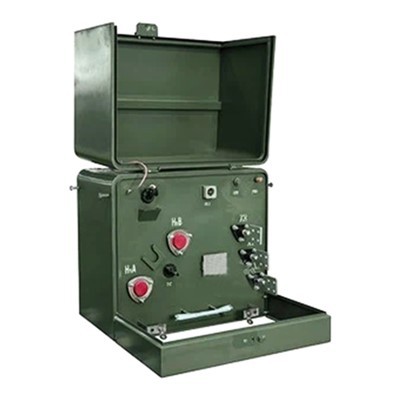
We provide comprehensive protection and monitoring systems for our transformers. Our protection systems are designed to detect and respond to short-circuit events quickly and effectively, minimizing the damage to the transformer. Our monitoring systems allow for real-time monitoring of the transformer’s operating conditions, enabling early detection of potential problems and proactive maintenance.
Conclusion
Dry Type Transformer In conclusion, improving the short-circuit withstand capability of oil-immersed transformers is essential for ensuring the reliable and efficient operation of electrical power systems. By understanding the factors affecting short-circuit withstand capability and implementing effective strategies to address them, we can design and manufacture transformers that are more resistant to short-circuit damage. As a leading supplier of oil-immersed transformers, we are committed to providing our customers with high-quality products that meet their specific requirements. If you are interested in learning more about our oil-immersed transformers or discussing your procurement needs, please feel free to contact us. We look forward to the opportunity to work with you and contribute to the success of your projects.
References
- IEEE Standard C57.12.00-2010, “Standard General Requirements for Liquid-Immersed Distribution, Power, and Regulating Transformers.”
- IEC 60076-5:2006, “Power transformers – Part 5: Ability to withstand short-circuit.”
- CIGRE Technical Brochure 632, “Short-circuit withstand of power transformers and reactors: State-of-the-art and future trends.”
Nantong Yawei New Energy Technology Co., Ltd.
As one of the most professional oil immersed transformer manufacturers and suppliers in China, we’re featured by quality products and good service. Please rest assured to wholesale durable oil immersed transformer made in China here from our factory. Customized orders are welcome.
Address: Room 28-101, Building 27 and 28, No.333 Kaiyuan Avenue, Sunzhuang Subdistrict, Hai’an City, Nantong City, Jiangsu Province, China
E-mail: admin@nantongyawei.com
WebSite: https://www.nantongyawei.com/
