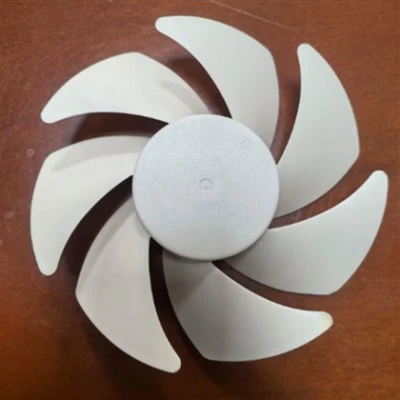
As a supplier of plastic components for toys and stationery, I’ve witnessed firsthand the prevalence of these products in the lives of children. The question of whether plastic components for toys and stationery have a good impact on children’s development is a complex and multifaceted one that warrants in – depth exploration. Plastic Components for Toys and Stationery
Positive Aspects of Plastic Components in Toys and Stationery
1. Durability and Affordability
Plastic is a highly durable material, which is crucial for children’s toys and stationery. Toys need to withstand rough handling, including being dropped, banged, and chewed on. Plastic components can endure these types of abuse better than many other materials, ensuring that toys last longer. For stationery items like pens and pencil cases, plastic’s durability means they can be used for extended periods without breaking easily.
Moreover, plastic is a relatively inexpensive material to produce. This affordability makes toys and stationery more accessible to a wider range of families. Parents on a budget can still provide their children with a variety of toys and useful stationery items, which is essential for a child’s development. For example, a simple plastic building block set can provide hours of creative play for a young child, and it won’t cost the parents a fortune.
2. Safety and Hygiene
Modern plastic manufacturing processes ensure that the plastic components used in toys and stationery are safe for children. Reputable suppliers, like the one I’m part of, adhere to strict safety standards and regulations. These standards cover aspects such as the use of non – toxic materials, ensuring that there are no sharp edges or small parts that could pose a choking hazard.
Plastic is also easy to clean, which is vital for maintaining good hygiene. Toys and stationery that children use frequently can become dirty quickly, and plastic can be wiped down or washed with soap and water to remove germs and dirt. This helps prevent the spread of diseases and keeps children healthy while they play and learn.
3. Creativity and Learning
Plastic components in toys and stationery offer endless possibilities for creativity. For instance, plastic art supplies allow children to express their artistic talents. Colored plastic markers, crayons, and modeling clay made from plastic can be used to create beautiful works of art. Toys such as plastic action figures and dolls can inspire imaginative play, enabling children to develop their storytelling and social skills.
In the realm of stationery, plastic notebooks with colorful covers and plastic – bound textbooks can make learning more engaging. Plastic rulers and protractors are not only practical but also come in various shapes and colors that can capture children’s attention and make the learning process more enjoyable.
4. Versatility in Design
Plastic can be molded into virtually any shape or size, which gives designers of toys and stationery a high degree of flexibility. This means that there is a wide variety of products available on the market to suit different ages, interests, and learning needs. From simple plastic stacking rings for infants to complex plastic robots for older children, the versatility of plastic allows for the creation of toys that can stimulate children’s cognitive development at different stages.
In stationery, plastic can be used to create innovative designs. For example, plastic mechanical pencils with unique mechanisms can make writing more fun for children, and plastic storage containers for stationery can help keep their study areas organized.
Potential Negative Aspects of Plastic Components in Toys and Stationery
1. Environmental Impact
One of the most significant concerns associated with plastic components in toys and stationery is their environmental impact. Plastic is a non – biodegradable material, which means that once discarded, it can take hundreds of years to break down. Many plastic toys and stationery items end up in landfills, contributing to the growing problem of plastic pollution.
Moreover, the production of plastic requires the use of fossil fuels, which are non – renewable resources. The extraction and processing of these fuels have a negative impact on the environment, including air and water pollution, as well as climate change.
2. Chemical Exposure
Some plastics may contain harmful chemicals such as phthalates and bisphenol A (BPA). These chemicals can leach out of the plastic products, especially when exposed to heat or when the plastic is damaged. Phthalates are often used to make plastic more flexible, while BPA is used in the production of polycarbonate plastics.
Exposure to these chemicals has been linked to various health problems in children, including hormonal disruptions, developmental issues, and an increased risk of certain cancers. Although there are regulations in place to limit the use of these chemicals in children’s products, there is still a concern that some low – quality plastic components may not meet these standards.
3. Over – Consumption and Disposal
The affordability and wide availability of plastic toys and stationery can lead to over – consumption. Children often receive a large number of plastic toys, many of which are quickly discarded once they lose interest. This not only contributes to the environmental problem but also may lead to a lack of appreciation for the value of things.
In addition, improper disposal of plastic toys and stationery can also cause problems. When plastic items are littered, they can end up in our oceans and harm marine life. Plastic debris can be ingested by fish and other marine animals, leading to injury or death, and can also disrupt the ecosystem.
Mitigating the Negative Impacts
1. Eco – Friendly Plastics
As a supplier, we are constantly exploring the use of more eco – friendly plastics. Biodegradable plastics, for example, are made from renewable resources and can break down much faster than traditional plastics. These materials offer a more sustainable alternative for toys and stationery.
We are also looking into recycled plastics. By using recycled plastic in our products, we can reduce the demand for new plastic production and help divert plastic waste from landfills.
2. Stringent Quality Control
To ensure the safety of our plastic components, we have implemented strict quality control measures. We source materials from reliable suppliers and conduct regular testing to ensure that our products are free from harmful chemicals. We also adhere to all relevant safety standards and regulations to protect children’s health.
3. Promoting Responsible Consumption and Disposal
We believe it’s important to educate parents and children about responsible consumption and disposal of plastic toys and stationery. We encourage parents to buy high – quality products that will last longer and to donate or recycle toys and stationery that their children no longer use.
Conclusion
In conclusion, plastic components for toys and stationery have both positive and negative impacts on children’s development. On the one hand, they offer durability, affordability, safety, and opportunities for creativity and learning. On the other hand, they pose environmental and health risks.
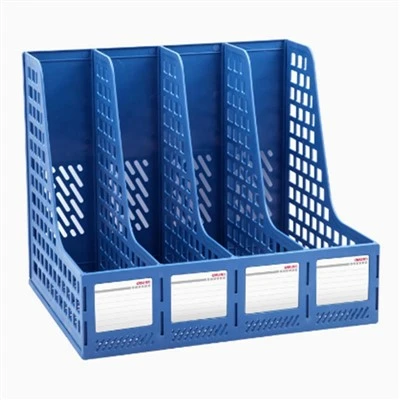
As a supplier, we are committed to maximizing the positive impacts while minimizing the negative ones. We are constantly working on improving our products and processes to ensure that they are safe, sustainable, and beneficial for children.
Electronic Plastic Enclosure If you are in the market for high – quality, safe, and sustainable plastic components for toys and stationery, we invite you to contact us for a purchasing consultation. We are eager to discuss your specific needs and provide you with the best solutions.
References
- American Academy of Pediatrics. (2018). Chemical Exposure in Children: A Special Issue of Pediatrics. Pediatrics, 142(2).
- United Nations Environment Programme. (2019). Single – Use Plastics: A Roadmap for Sustainability.
- World Health Organization. (2020). Chemicals of Concern in Consumer Products: A Public Health Perspective.
Yongkang Shunjiang Plastic Products Co., Ltd.
As one of the most professional plastic components for toys and stationery manufacturers and suppliers in China, we offer a wide range of products with superior quality. Please feel free to wholesale bulk customized plastic components for toys and stationery from our factory. Also, pricelist is available.
Address: Kangzhuang Road, Xicheng Subdistrict, Yongkang City, Zhejiang Province, China
E-mail: 15158911623@163.com
WebSite: https://www.shunjiangplas.com/
