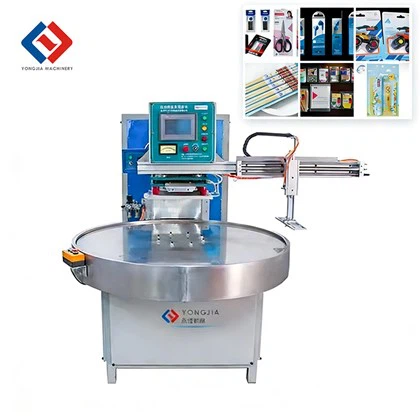
Hey there! As a supplier of Urine Bag and Blood Bag Production Lines, I often get asked about the waste treatment methods in these production processes. It’s a super important topic, not only for environmental reasons but also for the overall efficiency and safety of the production line. So, let’s dive right in and explore what goes on when it comes to dealing with waste from these production lines. Urine Bagblood Bag Production Line
Understanding the Types of Waste
First off, we need to know what kind of waste we’re dealing with. In the production of urine bags and blood bags, there are mainly two types of waste: solid waste and liquid waste.
Solid Waste
Solid waste in this context usually includes things like leftover plastic materials, defective bags, and debris from the manufacturing process. Plastic is the main material for making urine and blood bags, and during production, there’s bound to be some excess or unusable plastic. Sometimes, bags don’t meet the quality standards, and they end up as waste too. These defective bags can range from those with small holes or leaks to ones with improper sealing.
Liquid Waste
Liquid waste might seem a bit unexpected, but it’s actually a part of the production process. There could be cleaning solutions used to sanitize the production equipment. These solutions often contain chemicals that need to be properly managed. Also, if there are any spills during the filling or testing of the bags, that liquid needs to be taken care of as well.
Waste Treatment Methods for Solid Waste
Recycling
Recycling is a big deal when it comes to solid waste from urine bag and blood bag production. Since the main material is plastic, recycling can significantly reduce the environmental impact. We take the leftover plastic scraps and defective bags and send them to specialized recycling facilities. At these facilities, the plastic is first sorted by type. Different types of plastic have different melting points and properties, so it’s crucial to separate them.
Once sorted, the plastic is cleaned to remove any contaminants. This is followed by a melting process, where the plastic is heated until it turns into a liquid state. The molten plastic can then be molded into new products. In our case, it might be used to make parts of new urine or blood bags, or other plastic items. Recycling not only helps the environment by reducing the amount of plastic in landfills but also saves on raw material costs. It’s a win – win situation!
Incineration
In some cases, certain types of solid waste that can’t be recycled are incinerated. However, this is done very carefully. Incineration needs to be carried out in a controlled environment to prevent the release of harmful pollutants into the air. The incinerators we use are equipped with advanced pollution control technologies. These technologies can capture and filter out most of the harmful gases and particles produced during the incineration process.
The heat generated from incineration can also be used for other purposes, such as heating the production facility or generating electricity. This way, we’re making the most out of the waste while minimizing its negative impact on the environment.
Waste Treatment Methods for Liquid Waste
Filtration and Treatment
Liquid waste from the production line, like the cleaning solutions and spills, goes through a rigorous treatment process. First, it’s filtered to remove any solid particles. This initial filtration step helps to clarify the liquid and makes the subsequent treatment steps more effective.
After filtration, the liquid is treated with chemicals to neutralize any harmful substances. For example, if the cleaning solution is acidic, we add a base to balance the pH level. This makes the liquid less harmful to the environment. Then, the treated liquid is tested to ensure that it meets the environmental standards before it’s discharged.
Biological Treatment
In some situations, biological treatment methods are used. Microorganisms are introduced into the liquid waste. These microorganisms break down the organic matter in the waste, turning it into less harmful substances. This is a natural and environmentally friendly way of treating liquid waste. It takes a bit longer than chemical treatment, but it can be very effective, especially for waste that contains a large amount of organic material.
Why Proper Waste Treatment Matters
Proper waste treatment is crucial for several reasons. Firstly, it’s a matter of environmental responsibility. The production of urine bags and blood bags is an important part of the medical industry, but we can’t ignore the impact it has on the environment. By using proper waste treatment methods, we can reduce pollution, conserve resources, and protect the planet for future generations.
Secondly, it’s about safety. The waste from these production lines can be potentially hazardous. For example, the chemicals in the cleaning solutions and the defective bags might pose a risk if not handled properly. By following strict waste treatment protocols, we ensure the safety of our workers, the surrounding community, and the environment.
Lastly, it can improve the efficiency of the production line. When waste is properly managed, it doesn’t clog up the production equipment or cause disruptions. This means that the production process can run smoothly, and we can meet the demands of our customers in a timely manner.
Conclusion and Invitation
In conclusion, waste treatment in the urine bag and blood bag production line is a complex but essential process. We use a combination of recycling, incineration, filtration, chemical treatment, and biological treatment to ensure that the waste is managed in the most effective and environmentally friendly way possible.
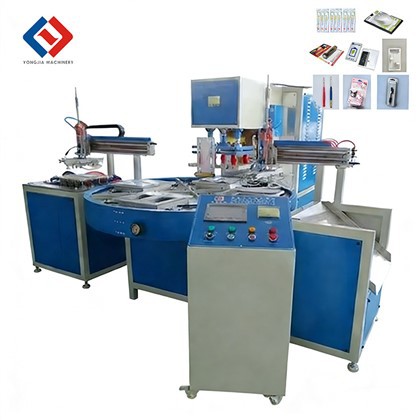
Hot Pressing Machine If you’re in the medical industry and looking for a reliable supplier of Urine Bag and Blood Bag Production Lines, we’d love to hear from you. We’re committed to providing high – quality production lines and also ensuring that the waste generated from them is treated properly. Get in touch with us to start a conversation about your needs and how we can help you.
References
- "Plastic Recycling Technologies: An Overview", Journal of Environmental Science and Technology
- "Wastewater Treatment for Industrial Processes", Handbook of Industrial Water Treatment
- "Medical Waste Management Best Practices", World Health Organization Guidelines
Dongguan Yongjia Machinery Equipment Co., Ltd.
We are one of the most reliable urine bagblood bag production line manufacturers and suppliers in China, specialized in providing high quality customized service. Please feel free to wholesale advanced urine bagblood bag production line at low price from our factory. For quotation, contact us now.
Address: No. 240, Chashan South Road, Chashan Town, Dongguan City, Guangdong Province, China
E-mail: info@yjwelding.com
WebSite: https://www.yjhighfrequencymachine.com/
