As a storage bag supplier, I get questions every week from small business owners, family moving companies, and even individual customers: “What’s the best way to transport these bags so they arrive looking like new?” I’ve been in this space for eight years, and I’ve seen it all—from boxes of storage bags arrived crumpled and stained, to batches that split open mid-shipment, to customers writing to say half their inventory was torn before they even unloaded it. The truth is, transporting storage bags isn’t just about throwing them in a box and sending them off. It’s about matching the right method to the type of bag, the quantity you’re shipping, and the destination’s conditions. Whether you’re shipping a single order of 10 utility storage bags for a home move, or a pallet of 500 heavy-duty vacuum-sealed bags to a retail warehouse, this guide will walk you through the practical, battle-tested steps we use every day to get our bags to you safe, intact, and ready to use. Storage Bag
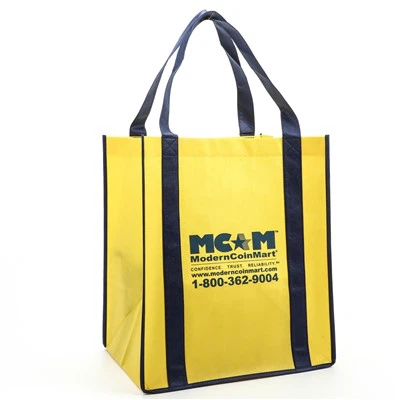
First, let’s start with the basics that many people overlook: pre-transit preparation. You wouldn’t send a fragile item without wrapping it, right? Storage bags, while durable, have specific needs depending on their design. For example, vacuum-sealed bags are made of thin, puncture-resistant plastic designed to compress air, but that same thinness makes them prone to snags if they rub against rough surfaces in transit. On the other end, our heavy-duty canvas storage bags (used for seasonal clothing or garage tools) are thicker, but their cotton material absorbs moisture if exposed to condensation during long-haul trucking. That’s why our first step for every order, no matter the size, is custom prepping based on bag type.
For non-vacuum, soft-sided storage bags (canvas, nylon, polyester), we start by cleaning the inside and outside if the bag is being reused—but wait, that only applies if the customer is returning a bag to us for a restock, right? For new orders, we inspect every bag individually as it rolls off the production line to check for loose threads, tiny punctures, or uneven seams. A single 1mm tear in a canvas seam might not be visible at first, but after being jostled on a truck for three days, it can turn into a gaping hole. We seal any loose seams with a heat sealer for fabric bags (we use a low-heat setting so it doesn’t damage the material) before packaging. For bags with zippers, we run a small piece of masking tape along the zipper teeth before closing it. This stops the zipper from catching on other bags or packaging material during transit—trust me, I’ve had a shipment where 20% of bags had broken zippers because we skipped that step, and it’s a costly mistake.
Vacuum-sealed storage bags are an entirely different beast. Their main purpose is air compression, so we always advise customers to leave a small, 2-inch gap at the top when sealing the air out. Why? Because if you pull all the air out completely, the bag becomes rock-hard, and when it’s stacked on top of other palleted items, the pressure can cause the plastic to split at the seal. I learned this the hard way three years ago when we shipped a pallet of 300 vacuum bags that were fully compressed; 12 of them burst open, and the contents were damaged. Now we train our team to only remove 80% of the air, leaving just enough give so the bag can shift slightly without breaking. For bulk vacuum-sealed shipments, we also recommend placing them inside a thick, corrugated outer box (at least 2mm thick) instead of just wrapping them in plastic stretch film. The stretch film can leave sticky residue on the bags, and if the pallet shifts, the film can tear, exposing the bags to rough handling.
Next, packaging and container choice—this is where most small businesses go wrong when shipping storage bags. Let’s break down the most common shipping scenarios, because one size does not fit all.
If you’re shipping a small order (1 to 50 bags, for a single customer or small retail restock), the best option is a corrugated cardboard box, but not just any box. You want a box that’s slightly larger than the total volume of your bags, so you have room for cushioning, but not so large that the bags shift around during transit. For example, if you’re shipping 10 medium canvas storage bags, stacking them flat, they take up roughly 1 cubic foot of space. A 1.2 cubic foot box will give you enough room to add cushioning without extra movement. What kind of cushioning? We use crumpled recycled packing paper, not bubble wrap, for most fabric bags. Bubble wrap can leave plastic residue on canvas, and it’s unnecessary—crumpled paper is cheap, eco-friendly, and provides just enough padding to stop bags from rubbing against each other. For vacuum-sealed bags, we add a layer of air pillows on the top and bottom of the box, because they’re rigid and benefit from shock absorption. One trick we use for small boxes: place all bags in the box and close the flaps lightly before taping it. If the flaps bow out more than 1 inch, the box is too big—either downsize it or add more cushioning. Oversized boxes are the number one cause of damaged small orders, according to our data from the last five years.
For medium bulk orders (50 to 500 bags, for local retailers or moving companies), you’ll want to use a corrugated shipping case or a wooden pallet, depending on the bag type. For fabric bags, we prefer shipping cases that are stackable, with built-in dividers to separate each layer of bags. Dividers prevent bags from sliding into each other during transit, which is especially important for canvas bags that can snag on rough edges. We also recommend reinforcing the corners of the shipping case with metal corner protectors—carriers and forklifts often drop cases, and the corners are the first point of impact. For vacuum-sealed bags in medium bulk, palletization is the way to go, but only if you use the right pallet size and stretch film. We use standard 48×40 inch wooden pallets, which fit most carrier guidelines. When stacking vacuum-sealed bags on a pallet, don’t stack more than 4 layers high—more than that, and the weight of the top layers will burst the bottom bags. For stretch film, use a 80-gauge film (not the thin 40-gauge stuff you buy at the grocery store) and wrap the pallet tightly, making sure to go around the base three times to secure it to the pallet. Too loose, and the pallet will shift; too tight, and the stretch film will cut into the plastic of the vacuum bags.
For large commercial orders (500+ bags, for national retailers or moving company franchises), you’ll need to coordinate with a freight carrier, and there are a few extra steps to ensure safe transport. First, label every pallet clearly with two types of labels: one that says “Storage Bags – Fragile” (even if they’re not fragile, carriers take extra care with fragile labels) and another that says “Stackable Up To X Layers” (as we mentioned earlier, never stack more than 4 layers of vacuum bags, and 6 layers max for canvas bags). We also add a “Do Not Block” label if the order is time-sensitive, so the carrier knows to prioritize it. One thing many large buyers miss is inspecting the pallet before it leaves your facility. Walk around and check for any protruding nails in the pallet (even a tiny nail can puncture a bag) and make sure the stretch film is applied evenly. We once had a national retail client receive a pallet of 1,000 canvas bags with a nail sticking out of the pallet that punctured 17 bags—costing them $2,000 in returns and delayed inventory. A 5-minute pre-shipment pallet check would have prevented that.
Now, what about specific transit conditions that can affect your storage bags? I’ve had customers ask me, “Do I need to worry about humidity when shipping long distance?” The answer is yes, especially for fabric storage bags. Canvas and polyester absorb moisture, and if they’re exposed to rain or high humidity in a truck or warehouse, they can develop mold or mildew. That’s why we always recommend using a water-resistant outer packaging for any shipment that’s traveling more than 500 miles, or during rainy seasons. For small box shipments, a water-resistant poly bag around the corrugated box works great—just make sure to cut a small hole in the poly bag for ventilation, otherwise condensation will build up inside the bag and damage the bags inside. For bulk pallets, we use a shrink wrap layer on top of the stretch film to add water resistance, and we never leave pallets in outdoor storage for more than 24 hours before shipping.
Another common question: can storage bags be shipped with other items? The short answer is yes, but only if the other items are compatible. You don’t want to ship storage bags with sharp tools or glassware, because those can puncture or tear the bags. We always tell our customers to separate heavy items from storage bags: if you’re combining an order of storage bags with moving boxes, put the moving boxes on the bottom of the pallet and the storage bags on top, so the weight doesn’t press on the bags. If you’re shipping vacuum-sealed bags with clothes, make sure the clothes are inside sealed plastic bags as well, so they don’t transfer odors to the storage bags. I once had a customer ship storage bags with a case of paint, and the paint leaked onto three batches of bags—we had to replace all of them at our own cost, because we didn’t warn them about incompatible items. That’s a lesson we’ve built into our shipping guidelines now.
Now, let’s talk about post-transit checks, because even with all the preparation, mistakes can happen. When your order arrives, don’t just sign for it and leave it in the garage. Do a quick visual inspection of the packaging first: if the box or pallet has visible damage (tears in the cardboard, scratches in the stretch film, dents in the corners), take photos of it before the driver leaves. Then, open the packaging and check a sample of bags from each layer for tears, zippers, or punctures. For vacuum-sealed bags, check that the air seal is intact by pressing on the bag—if it feels soft or deflated, the seal is broken, and the bag can’t compress properly. We also recommend storing your storage bags in a cool, dry place once they arrive, even if they’re new. Direct sunlight can fade the fabric over time, and extreme temperatures can weaken the plastic seals on vacuum bags.
As a supplier, our goal is to make the shipping process as stress-free as possible for you. We’ve spent years testing different packaging materials, working with carriers to negotiate safe handling, and refining our pre-shipment checks to reduce damage rates to less than 0.5% for all orders. That means 99.5% of our customers receive storage bags that are ready to use, no matter the size or destination.

If you’re planning to ship storage bags for your business, whether it’s a small restock for your moving company or a large bulk order for a retail location, we’re here to help. We can provide customized packaging recommendations based on your order size and bag type, share our full pre-shipment checklist, and even connect you with preferred carriers that specialize in handling storage bags. Don’t let shipping mistakes cost you time, money, or customer satisfaction. Reach out to our team today to discuss your storage bag shipping needs and get a quote tailored to your business.
Insulated Bag References
- International Safe Transit Association. (2021). Test Procedures for Packaging and Shipping. ISTAO Press.
- American Moving & Storage Association. (2022). Best Practices for Shipping Storage Items. AMSA Publications.
- U.S. Small Business Administration. (2023). Guide to Packaging and Shipping Small Business Goods. SBA Office of Entrepreneurship.
- Our internal 8-year dataset on storage bag shipping damage and prevention. Storage Bag Co. Internal Report.
Jiade (Wenzhou) Daily Necessities Co., Ltd.
As one of the most professional storage bag manufacturers and suppliers in China, we’re featured by quality products and good price. Please rest assured to buy bulk discount storage bag from our factory. We also accept customized orders.
Address: Building2,NO.1299,keji Road, Longgang City,Wenzhou City,Zhejiang Province,China.
E-mail: lhf@lianhaibag.com
WebSite: https://www.jiadebag.com/
