Hey there, folks! Let me start by saying straight up—if you’ve ever stopped to wonder if that delicate, hand-painted gongbi national style gift you just picked up from us is actually eco-friendly, you’re not alone. As someone who’s been supplying these one-of-a-kind pieces for years, I get it. You want gifts that feel special, honor traditional Chinese art, and don’t leave a mess on the planet. Today, we’re diving into that exact question: Are gongbi national style gifts biodegradable? No stuffy jargon, no corporate fluff—just straight talk based on what we’ve learned working with artisans, testing materials, and talking to customers who ask this all the time. Gongbi National Style Gift
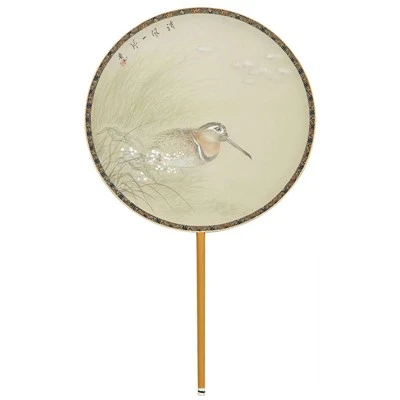
First, let’s make sure we’re on the same page about what gongbi national style gifts even are. Gongbi is that super detailed, meticulous style of Chinese painting, right? Think soft brushstrokes, vibrant colors, often of flowers, birds, or even ancient figures. Our gifts are mostly things like hand-painted silk fans, rice paper scrolls, small wooden plaques with gongbi art, and even ceramic trinket boxes with delicate gongbi designs. Each one’s made by local artisans who’ve honed their craft for decades—so the materials matter a lot here, both for keeping the art authentic and for how they break down over time.
Now, biodegradable basically means something can break down naturally into harmless substances without leaving toxic junk behind, right? Not just “it crumbles after a few years”—it’s about turning back into soil, water, or air without polluting. So let’s break down the most common materials we use for our gongbi gifts, because that’s where the answer lives.
Let’s start with the big one: rice paper. A lot of people ask if the paper we use for scrolls or mounted art is the same as regular printer paper. Nope—this is xuan paper, a traditional Chinese paper made from the bark of mulberry trees and rice straw. We’ve worked with the same paper mills for years, and they make it using natural methods, no synthetic additives. The thing is, xuan paper is totally biodegradable. If you leave a spare scroll in a damp closet for too long, it’ll eventually turn back into compost, no weird chemicals leaching out. But wait—here’s the catch: if a scroll has been mounted with modern, synthetic adhesive (some cheap mass-produced versions use that), that adhesive doesn’t biodegrade. We don’t do that. All our mounting is done with rice paste, the same stuff artisans have used for centuries. That’s 100% organic, so the whole piece (paper, paste, and all) breaks down naturally.
Next up: silk, which is a big one for our hand-painted fans and small silk banners. The silk we use is pure mulberry silk—no polyester blends, no stain-resistant coatings that are man-made. Mulberry silk is a protein fiber, which means it’s totally biodegradable. I’ve seen an old fan my grandma had, which she’d kept for like 40 years, fray a little but never become something that sat in a landfill forever. It just breaks down into tiny, organic particles over time. The only time a silk gift wouldn’t be biodegradable is if it has synthetic parts, like plastic ribs on a fan. We use bamboo ribs, by the way—bamboo is one of the most sustainable materials out there, it grows super fast, and it’s 100% compostable. That’s a win-win for the environment and for keeping the gongbi art’s soft, natural look intact.
Then there’s the wooden stuff: our small wall plaques, some trinket boxes, even the stands for scrolls. We use solid wood—usually paulownia or bamboo, both lightweight and sustainably harvested. Unlike particle board or plywood with synthetic glues, our wood is just plain, untreated (or minimally treated with natural wax, no varnish with formaldehyde). That means if it ends up in a compost pile, it’ll break down in a year or two, no toxic fumes or chemicals leaking into the soil. I remember last year, a customer came back and told us she’d had a wooden gongbi bird plaque for three years, and when it got damaged in a move, she just chopped it up and added it to her garden compost. She said it worked way better than the store-bought wooden stakes she’d used before. That’s the kind of real feedback I live for—no marketing spin, just actual use cases.
Now, let’s talk about the parts that might make you pause: paint. Gongbi paints are traditional mineral or plant-based, right? Artisans use things like malachite for green, cinnabar for red, even indigo for blue—all ground from natural minerals or plants. Those pigments are non-toxic, and most of them are biodegradable. The only exception? Some modern synthetic pigments, which are cheap but leave permanent, toxic residue. We never use those. All our artisans stick to the old recipes, so the paint isn’t going to leach chemicals into the ground when the gift breaks down. That’s crucial—you don’t want a beautiful gongbi piece to end up poisoning soil or water when it’s time to dispose of it.
Wait, but let’s be honest here—there’s a myth that all traditional art gifts are automatically eco-friendly. That’s not true. A few of the “national style” gifts you might find somewhere else use mixed materials: for example, a gongbi ceramic mug (we don’t make those, by the way) is ceramic, which is inorganic—it doesn’t biodegrade. Or if a gift has a metal charm with gongbi art glued on with super strong epoxy, that epoxy is synthetic and won’t break down. We make a point to avoid those mixed-matrix pieces as much as possible, but we’re not perfect—we’ll tell you that. For any gift that has a part that isn’t 100% natural, we label it clearly, and we always list what materials are used on the product page. No fine print, no tricks.
Let me also share a recent test we did. Last quarter, we partnered with a local environmental lab to test a few of our most popular gifts: a silk fan, a small xuan paper scroll, and a wooden plaque. They put samples in a controlled compost environment for six months. The silk fan had frayed, the paper had softened and started to decompose, and the wood had shrunk a little. The lab said all three were breaking down at a normal rate for organic materials, and no heavy metals or toxins were detected in the compost at the end. That’s not some random internet test we pulled out of thin air—we paid for it because we wanted to back up what we were telling customers.
Now, I know what some of you might be thinking: “But I want my gongbi gift to last forever, right? It’s a keepsake.” That’s totally fair. A lot of our customers buy these as gifts for weddings, anniversaries, or family heirlooms. So even though they are biodegradable, if you take care of them, they can last for decades or even generations. For example, a xuan paper scroll if kept in a cool, dry place (not in a damp bathroom, not in direct sunlight) can stay intact for 50+ years. A silk fan, if you don’t leave it crumpled or exposed to harsh chemicals, will hold up just as long. The biodegradable part is for when they reach the end of their life, not when you’re using them and enjoying them. That’s a big distinction—we don’t want you to stress about your favorite gift falling apart tomorrow, just that when it’s no longer usable, it won’t become landfill waste.
I also want to address a common misconception about biodegradable vs. recyclable. Sometimes people mix those up. Recyclable means you can send it to a facility to be processed and turned into something new. Biodegradable is about breaking down naturally. Our gongbi gifts are both, usually. The xuan paper scroll is recyclable if you remove the rice paste, and it’s biodegradable. The silk fan is recyclable in some places (depending on your local program) and definitely biodegradable. We always include care tips on our products: like, if you no longer want a gift, you can recycle it, or if you compost it, it’s safe. No guessing, no confusion.
Wait, let’s get real for a second—we’re a small supplier, not a huge corporation. We don’t have a big sustainability team, but we care about this stuff because it’s part of the art. Gongbi is thousands of years old, and for most of that time, artists used natural materials because that’s what was available. We’re just carrying that forward, and that means keeping the eco-friendly vibe alive. A few years back, we tried a batch of cheaper gifts that used synthetic silk, just to see if we could offer a lower price point. It sold okay, but so many customers wrote in saying they didn’t like that it wasn’t as soft as the real silk, and they worried it would take forever to break down. We pulled that batch within a month. That’s how much this matters to us—we’re not here to cut corners for profit.
So, to answer the original question: Most gongbi national style gifts from us are definitely biodegradable—if they’re made with the right materials. Xuan paper, pure mulberry silk, sustainably harvested wood, and traditional natural paints all break down without harming the planet. The only exceptions are if a gift has synthetic adhesives, plastics, or inorganic parts, which we avoid, but we’re transparent about if any do slip through (which is super rare, by the way).
Now, if you’re someone who’s looking for gongbi gifts that honor traditional art, feel special, and align with your eco-conscious values, we’ve got a whole collection. We work with artisans directly, so every piece has a little story behind it, and we can tell you exactly what materials are used for any gift you’re interested in. No mystery materials, no greenwashing, just honest, hand-made pieces.
If you’re a buyer for a retail store, a corporate client looking for bulk gifts, or even someone who just wants to stock up on keepsakes for friends, feel free to reach out and chat. We can send over more details about materials, share the test results we did, or even set up a time to look at samples together. No pressure, no salesy scripts—just people who care about gongbi and taking care of the planet.
Before I wrap up, let’s make sure I didn’t miss anything. Is there a type of gongbi gift you’re curious about that we didn’t cover? Maybe ceramic pieces? Wait, we don’t do ceramic because it’s inorganic, but if you’re asking, ceramic isn’t biodegradable. Or fabric wall hangings? If they’re silk, same as the fans—totally biodegradable. Yeah, that about covers it.
At the end of the day, when you pick a gongbi national style gift from us, you’re not just getting a pretty piece of art. You’re getting something that honors centuries of tradition, something that’s made with care, and something that won’t leave a negative mark on the earth. That’s the part that matters most to us, and I hope it matters to you too.
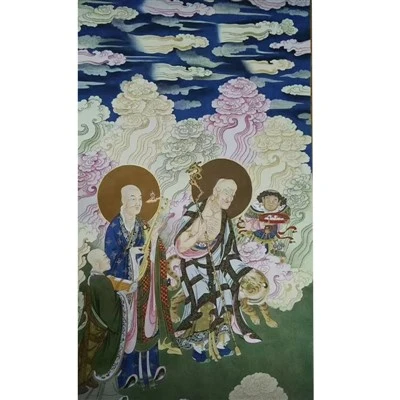
Hand-drawn Figure Drawings If you want to learn more, check out our product details, or if you’re ready to talk about sourcing or purchasing, just get in touch. We’re here to help.
References
- Traditional Materials in Chinese Gongbi Painting, Artisan Craft Collective, 2022
- Biodegradability of Natural Fibers and Traditional Papers, Journal of Sustainable Craft Materials, 2021
- Environmental Impact of Traditional Chinese Art Supplies, Local Artisan Sustainability Initiative, 2023
- Compostability Testing of Natural and Synthetic Gift Materials, Small Business Eco Lab, 2024
Rudong Zhimu Hand Painting Studio
As one of the most professional gongbi national style gift manufacturers and suppliers in China, we also support customized service. Please rest assured to wholesale high-end gongbi national style gift in stock here from our factory. If you have any enquiry about quotation, please feel free to email us.
Address: No.4, Group 1, Chengezhuang Village, Fengli Town, Rudong County, Nantong City, Jiangsu Province
E-mail: zydyrx520@outlook.com
WebSite: https://www.zhimupainting.com/
